


Plain concrete driveways are one of the most requested residential concreting projects across Brisbane, and in 2025 the process of getting one installed has become considerably more complicated than it was just a few years ago. Plain concrete driveways that once took four to six weeks from quote to completion are now routinely taking two to three months, as supply chain pressures, contractor scheduling backlogs, and council approval timelines converge into a frustrating sequence of delays for homeowners. This article explains what is driving those delays, what Brisbane property owners need to understand about the installation process and compliance requirements, and what practical steps can reduce the risk of a project stalling before a single cubic metre of concrete is poured.
The situation is not isolated to one suburb or one contractor. Across Brisbane's inner west, northside, and outer growth corridors, homeowners who have budgeted for a straightforward driveway replacement are discovering that the supply and scheduling environment in 2025 demands more planning lead time than most expect. Understanding the full picture, from material availability through to Brisbane City Council crossover approval requirements, is the starting point for any driveway project that needs to stay on track.
Brisbane's Unfinished Construction Boom Signals Wider Supply Chain Strain in 2025
A story that surfaced in mid-May 2025 captured something telling about Brisbane's construction landscape. According to Real Estate, a half-built house on a large block in Brisbane's west had come to market after sitting incomplete for seventeen years, earning the nickname the "Stonehenge of Brisbane" for its skeletal concrete frame rising from the block like ancient ruins. The property's seventeen-year construction history is an extreme case, but it reflects a broader pattern: projects stall, materials become unavailable, contractors move on, and what begins as a straightforward build becomes a long-running saga. While a residential driveway is far simpler in scope than a full house build, the underlying supply chain pressures that cause large projects to stall are the same ones affecting smaller concrete works throughout the region.
Concrete supply in Southeast Queensland has faced recurring pressure since 2022, driven by the volume of infrastructure and residential construction activity tied to the 2032 Olympic Games preparation, ongoing population growth in the outer metropolitan areas, and periodic disruptions to aggregate supply from quarries serving the Brisbane basin. Batch plant scheduling windows, which determine when a contractor can access a concrete truck for a residential pour, have become tighter as demand from commercial and civil projects competes with residential work. For homeowners planning plain concrete driveways, this means that a contractor's availability and a concrete plant's delivery schedule must align within a narrow window, and when either side shifts, the project timeline moves with it. The Concrete Institute of Australia has documented the relationship between supply chain conditions and construction quality outcomes, noting that rushed pours under scheduling pressure are a leading contributor to premature concrete failure in residential applications.
How Brisbane Homeowners Are Feeling the Squeeze on Driveway Project Lead Times
Beyond supply chain factors, Brisbane homeowners face a regulatory step that many overlook until it is too late. Any new driveway that connects to a council-controlled road, including the standard residential crossover from the street kerb to the property boundary, requires approval from Brisbane City Council before construction can begin. The council's crossover and driveway approval process involves a formal application, assessment against standard drawing requirements for residential crossovers, and in some cases a site inspection. Processing times for these applications have extended in recent years as council resources are stretched across a growing volume of development activity across the city's 24 local government area wards. Homeowners in suburbs like Keperra, Stafford, and Chermside West who have submitted crossover applications in 2024 and 2025 have reported waiting four to eight weeks for written approval, a delay that sits entirely outside the contractor's control.
The consequence of ignoring this step is significant. Work that begins without council approval for the crossover component is technically unlawful under Brisbane City Council's local laws, and council inspectors do conduct site visits in response to complaints from neighbours. Where unapproved work is identified, the council can issue a rectification notice requiring the work to be brought into compliance or removed entirely, at the owner's cost. For homeowners who have already paid a contractor to complete the pour, this outcome is both financially damaging and practically disruptive. Detailed information about the crossover approval process is available through the Concrete Projects on Brisbane's Northside resource, which outlines the types of residential concrete works that typically require council involvement in Brisbane's northern suburbs.
What Plain Concrete Driveways Require to Meet Brisbane Standards
Plain concrete driveways in Brisbane are governed by a specific set of technical requirements that determine whether the finished slab will perform reliably over a twenty-year lifespan or begin showing distress within three to five years. The installation process follows a defined sequence, and each stage has measurable quality criteria that a competent contractor should be able to explain and demonstrate on site. Understanding what these stages involve gives property owners a basis for evaluating quotes and monitoring work in progress.
The process begins with site assessment and subgrade preparation. The existing surface is removed, either by hand breaking or mechanical excavation, and the subgrade soil is assessed for bearing capacity. In Brisbane's western and southern suburbs, reactive clay soils are common, and these require particular attention because clay that expands when wet and contracts when dry will induce differential movement in any slab placed on top of it without adequate preparation. The subgrade is typically trimmed to a consistent depth, compacted using a vibrating plate compactor or roller, and in some cases treated with a layer of compacted road base material, typically 75mm to 100mm of crushed rock, to create a stable and uniform platform. This base preparation stage is where the majority of driveway failures originate. A subgrade that is inadequately compacted or left with soft spots will allow the slab to settle unevenly within two to three years, producing cracking that cannot be repaired without full replacement.
Formwork is set to define the slab edges and establish the finished level and fall of the surface. Residential driveways require a minimum cross-fall of one in fifty to direct surface water away from structures and toward the kerb or a drainage point. Formwork that is set without checking levels will produce a finished surface that pools water against the house or garage, causing ongoing moisture problems. Reinforcement is placed after formwork, with SL72 or SL82 steel mesh positioned at approximately 40mm to 50mm from the bottom of the slab to provide tensile strength. The concrete mix for residential plain concrete driveways in Brisbane is typically specified at N25 or N32 MPa compressive strength, with the higher grade used where heavier vehicle loads are anticipated. These specifications align with the requirements of Australian Standard AS 3600 Concrete Structures and AS 1379, which governs the specification and supply of concrete in Australia. The concrete is placed, screeded to level, and finished with a broom texture to provide slip resistance in Brisbane's wet season conditions when the surface is exposed to regular rainfall between November and March.
Control joints are one of the most technically critical elements of plain concrete driveway construction and one of the most frequently done incorrectly by less experienced operators. Joints are saw-cut or tooled into the slab at regular intervals, typically no more than 3 metres apart and at a depth of one-quarter of the slab thickness, to create intentional weak points that direct cracking along predictable lines rather than randomly across the visible surface. A slab with joints spaced at 5 or 6 metre intervals will almost certainly develop random surface cracking within the first few years, regardless of how well the rest of the installation was carried out. Curing follows immediately after finishing, with a curing compound applied to the surface or the slab kept continuously moist for a minimum of seven days to allow the concrete to develop its design strength. Insufficient curing in Brisbane's warm and often windy conditions causes the surface layer to dry faster than the body of the slab, leading to surface delamination and dusting that cannot be corrected after the fact.
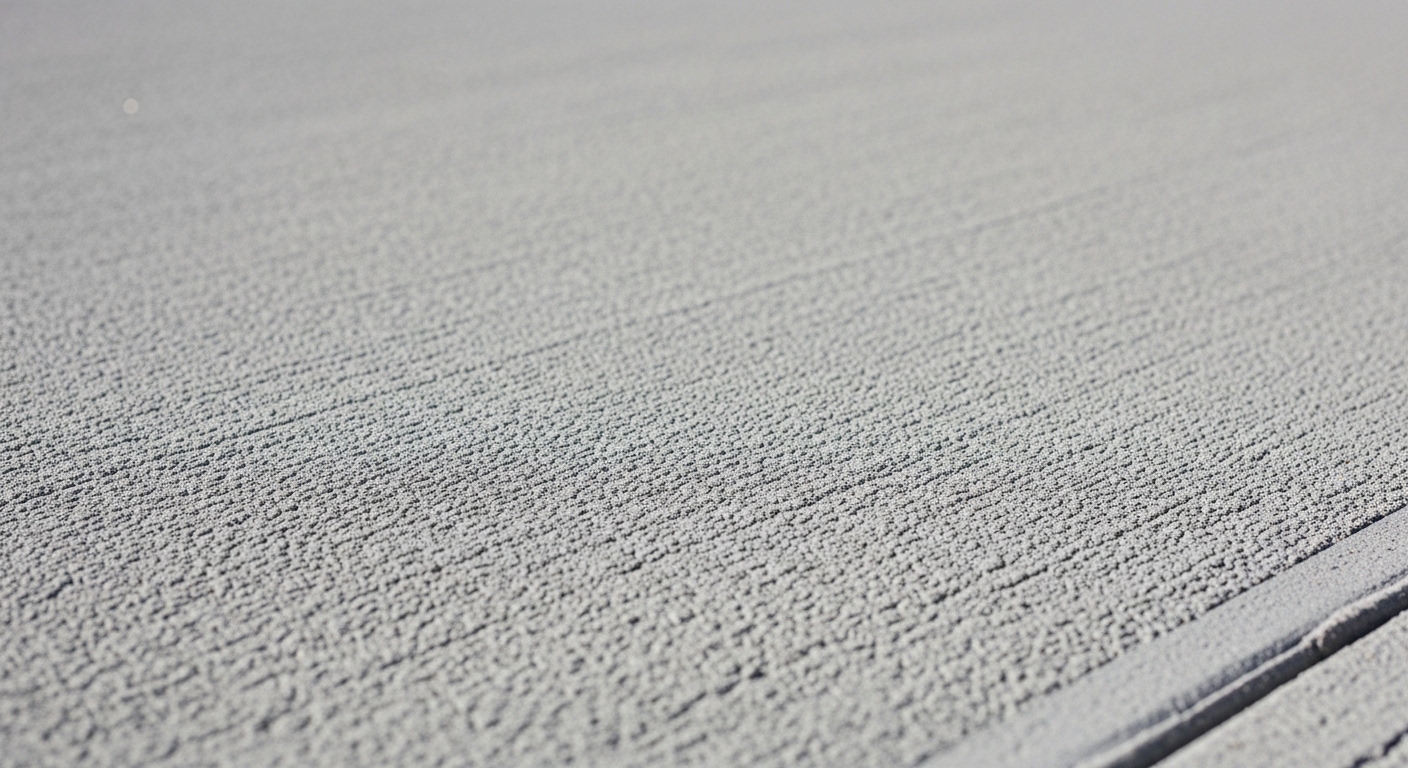
Three visible signs distinguish a quality installation from poor workmanship. A consistent broom finish across the entire surface, without trowel marks, dragging, or bleed water pockets, indicates the concrete was finished at the correct time. Straight, evenly spaced control joints cut to a consistent depth show the contractor followed the specification rather than guessing. Uniform slab edges with a minimum thickness of 100mm and no thin or feathered sections show the formwork was correctly set and maintained during the pour. Thin edges are the first part of any driveway to crack under vehicle loading, and they are a direct sign of formwork that shifted or was set incorrectly. Information on current pricing for plain concrete driveway projects in Brisbane is available through How Much Do Concrete Driveways Cost in Brisbane?, which provides a useful reference point for homeowners comparing quotes.
Steps Brisbane Property Owners Should Take Now to Avoid Further Delays
Before any demolition or preparation work begins on an existing driveway, the property owner should conduct a thorough documentation exercise. Photograph the entire existing surface from multiple angles, including close-up shots of any existing cracks, spalling, drainage points, and the connection between the driveway and the kerb crossover. Record the dimensions of the existing driveway, note the location of any tree roots within two metres of the slab edge, and observe where surface water flows during rainfall. This documentation serves two purposes: it creates a baseline record for insurance purposes in case any dispute arises about pre-existing conditions, and it provides the council and contractor with accurate information about the site before the project begins. Keep copies of all photographs with timestamps and store any council correspondence in a single folder for the duration of the project.
The next step is to contact Brisbane City Council to confirm whether a crossover or driveway approval is required before any work commences. For most residential properties where the driveway connects to a council-controlled road, an application for a new or modified crossover is required under Brisbane City Council's local laws. The application process involves submitting site plans, proposed dimensions, and surface material details through the council's online development portal. Processing times currently range from three to eight weeks depending on the complexity of the application and the volume of submissions being assessed at the time. Starting demolition or excavation before written approval is received risks a council stop-work order and potential rectification costs that can exceed the original project budget. Confirming the approval requirement early and lodging the application before engaging a contractor is the single most effective step a homeowner can take to avoid a project stalling mid-process.
When obtaining quotes for plain concrete driveways, a properly detailed written quote should specify the concrete mix strength in MPa, the type and grade of steel mesh reinforcement, the proposed slab thickness, the spacing and method of control joints, the surface finish type, and the curing method to be used. A quote that states only a total price per square metre without specifying these items is incomplete and provides no basis for comparing quality between contractors. Obtain a minimum of three written quotes and compare them not only on price but on the specificity of the materials and methods described. A quote that specifies N32 MPa concrete with SL82 mesh at 100mm slab thickness is directly comparable to another quote on the same terms. A quote that says simply "concrete driveway, broom finish" is not.
Before signing any agreement, verify that the contractor holds a current Queensland Building and Construction Commission licence for the relevant category of building work. In Queensland, structural concreting work on residential properties must be carried out by a contractor holding a current QBCC licence under the Queensland Building and Construction Commission Act 1991. The licence can be verified through the QBCC's online licence search tool at no cost. In addition to the QBCC licence, confirm that the contractor holds current public liability insurance with a minimum cover of A$5 million and that they carry workers compensation insurance for all employees and subcontractors working on the project. Request copies of both certificates before work begins and check the expiry dates.
Brisbane's subtropical climate introduces specific timing considerations that affect both the quality of plain concrete driveways and the project schedule. The wet season, which runs from approximately November through to March, brings heavy rainfall events that can halt a concrete pour at any stage and extend curing periods significantly. Concrete placed immediately before a heavy rain event risks surface washout before the mix has set, which permanently damages the surface layer. Conversely, Brisbane's summer heat and low humidity on dry days can cause the surface to dry too quickly during finishing, requiring additional water misting or shade to maintain workability. The optimal months for plain concrete driveway installation in Brisbane are typically April through September, when rainfall is lower, temperatures are moderate, and curing conditions are more predictable. Homeowners planning a project for the summer months should discuss wet season contingency provisions with their contractor before signing any agreement.
All structural concrete driveway work, including formwork setting, reinforcement placement, and concrete pouring, must be carried out by a licensed contractor under QBCC requirements. This is not a category of work where DIY is appropriate, regardless of the property owner's general construction skills. The crossover component of a residential driveway, which connects the private driveway to the council-controlled road reserve, is specifically subject to council approval and must meet Brisbane City Council's standard drawing requirements for residential crossovers. Work on the crossover that is carried out by an unlicensed person or without council approval is non-compliant and may be required to be removed and replaced. Beyond the compliance issue, incorrectly placed concrete that fails structurally within the first few years carries no warranty protection unless it was installed by a QBCC-licensed contractor under a written contract.
Why Licensed Concreters and Compliance Matter for Brisbane Driveway Projects
The Queensland Building and Construction Commission Act 1991 establishes the licensing framework for all building work in Queensland, including residential concrete driveways. Contractors carrying out structural concreting work on residential properties in Queensland must hold a current QBCC contractor licence in the relevant category. This requirement exists because concrete work that does not meet minimum standards for mix strength, reinforcement, slab thickness, and jointing can fail in ways that are not immediately visible but become structurally significant over time. A driveway slab that was poured with inadequate reinforcement cover or incorrect mix strength may look acceptable on installation day and begin cracking within two to three years as the subgrade moves or vehicle loads accumulate.
The consequence of engaging an unlicensed contractor for plain concrete driveway work in Queensland extends beyond the immediate quality risk. Work carried out by an unlicensed contractor cannot be the subject of a QBCC complaint or dispute resolution process, meaning the property owner has no statutory recourse if the work is defective. Home insurance policies typically exclude claims related to damage caused by or arising from unlicensed building work, which means a driveway failure that causes water ingress to a garage or structural damage to an adjacent retaining wall may not be covered if the original driveway was installed without a licensed contractor. The QBCC's Home Warranty Scheme provides statutory warranty coverage for residential building work over the threshold value carried out by licensed contractors, covering structural defects for up to six years and six months from completion. This warranty is only available when the work is carried out under a properly executed contract with a QBCC-licensed contractor.
For Brisbane homeowners comparing their options, the plain concrete driveways service page provides detailed information about what is included in a compliant residential installation. Homeowners who are also considering decorative finishes or alternative surface treatments should review the driveway concreting category page for a full overview of available options. Verification of a contractor's current QBCC licence status can be completed through the Driveway Painting Brisbane resource, which also covers post-installation surface protection options that extend the service life of plain concrete driveways in Brisbane's UV-intensive climate. Licence verification itself should always be done directly through the QBCC's official online search tool before any contract is signed.
Understanding the compliance framework is not a bureaucratic exercise. It is the practical mechanism through which a property owner protects the value of their investment. A plain concrete driveway installed to the correct standard, by a licensed contractor, with appropriate council approvals in place, is a durable asset that requires minimal maintenance for fifteen to twenty years. The same driveway installed without these foundations is a liability that may require partial or full replacement within five years, with no warranty and no insurance coverage to offset the cost. The gap between those two outcomes is determined almost entirely by the decisions made before the first concrete truck arrives on site. For further reference on concrete contractor standards in Queensland, the Concrete By Joe: Concrete Contractor Gold Coast resource provides useful context on what a properly scoped residential concrete project involves in Southeast Queensland.
Frequently Asked Questions
How long does a concrete driveway take to cure before you can drive on it?
A plain concrete driveway in Brisbane typically requires a minimum of seven days of curing before light foot traffic is permitted, and a minimum of 28 days before regular vehicle traffic should be allowed on the surface. The 28-day period is when concrete reaches its design compressive strength, typically N25 or N32 MPa for residential driveways. In Brisbane's warm climate, surface drying can occur faster than internal curing, which is why curing compounds or wet hessian are applied immediately after finishing. Driving on a slab before 28 days risks surface indentation and cracking that cannot be repaired without grinding or full replacement.
How thick should a concrete driveway be in Australia?
For residential plain concrete driveways in Australia, the minimum recommended slab thickness is 100mm for standard passenger vehicles. Where heavier vehicles such as caravans, trailers, or light commercial vehicles will regularly use the driveway, a thickness of 125mm to 150mm is more appropriate. These thicknesses are specified in conjunction with SL72 or SL82 steel mesh reinforcement placed at approximately 40mm to 50mm from the bottom of the slab. Brisbane's reactive clay soils in the western and southern suburbs make adequate slab thickness particularly important, as clay movement places additional bending stress on the slab that a thinner section cannot resist over time.
Do I need council approval for a new driveway in Brisbane?
Yes, in most cases a new driveway in Brisbane that involves a new or modified crossover connecting to a council-controlled road requires approval from Brisbane City Council before construction begins. The crossover is the section of driveway that crosses the footpath and kerb area between the property boundary and the road. Applications are submitted through the council's online portal and must include site plans, proposed dimensions, and surface material details. Processing times currently range from three to eight weeks. Work that begins without approval risks a council stop-work order and a requirement to remove and replace the unapproved crossover at the owner's cost.
How much does a plain concrete driveway cost in Brisbane?
Plain concrete driveways in Brisbane typically cost between A$65 and A$110 per square metre for a standard residential installation, depending on site conditions, slab thickness, reinforcement specification, and access constraints. A standard double-car driveway of approximately 40 square metres would therefore cost in the range of A$2,600 to A$4,400 for the concrete work alone, excluding demolition of an existing surface, council application fees, and any required drainage works. Sites with difficult access, reactive clay soils requiring additional subbase preparation, or steep gradients will attract higher costs. Obtaining at least three written quotes that specify materials and methods is the most reliable way to establish an accurate cost for a specific property.
What is the best concrete mix for a driveway in Queensland?
For residential plain concrete driveways in Queensland, a normal class concrete mix with a minimum compressive strength of N25 MPa is the standard specification for light vehicle use. Where heavier vehicles will regularly use the driveway, or where the site has reactive clay soils, an N32 MPa mix provides greater durability and resistance to cracking under load. The mix should be ordered to AS 1379 specification from a batch plant, with a maximum aggregate size of 20mm and a slump appropriate for the placement method being used. Concrete mixed on-site using a portable mixer is not suitable for structural driveway slabs, as consistent mix proportions cannot be reliably achieved without batch plant quality controls.
Conclusion
Plain concrete driveways in Brisbane in 2025 require more planning lead time than most homeowners anticipate. Supply chain pressures, concrete plant scheduling constraints, and Brisbane City Council crossover approval timelines all contribute to project durations that can stretch to two to three months from initial enquiry to completed installation. The technical requirements for a compliant and durable slab, including correct mix strength, reinforcement placement, slab thickness, control joint spacing, and curing, are non-negotiable and directly determine the twenty-year performance of the finished driveway. The practical next step for any Brisbane homeowner considering a new driveway is to contact Brisbane City Council to confirm crossover approval requirements and begin that application process before engaging a contractor, as this single step removes the most common cause of project delays.
More Driveway Concreting Services at Urban Concreters Brisbane
For more information about Driveway Concreting services at Urban Concreters Brisbane, explore the pages below:

